
Science
We are Scientists!
At Hassocks Infant School, science is a vital part of our curriculum, rooted in exploration, curiosity and respect for the natural world. We want our children to see themselves as scientists: asking questions, investigating ideas, and developing a deep sense of wonder about how the world works.
Through hands-on, play-based and practical investigations, children explore patterns, changes, and phenomena in their everyday environment. We encourage them to notice, predict, test and talk about what they see, developing early scientific thinking and reasoning. In doing so, children build curiosity, creativity and confidence as lifelong learners.
Our world is extraordinary. The more our children observe, question and care, the more they learn to respect and protect our world, enabling them to flourish as informed and responsible citizens.
Our Approach
Our science curriculum is built around curiosity and discovery. Learning is active, purposeful and rooted in real experiences that help children make sense of their world.
We believe children learn best when they are encouraged to:
-
Explore their environment: We provide diverse and engaging materials, resources, and outdoor spaces for children to interact with and learn from.
-
Ask questions: We encourage children to be curious, to wonder, and to ask "why" “what if” and "how," fostering a love for inquiry.
-
Engage in hands-on experiences: Children conduct simple experiments, and observe changes, using their senses to understand scientific concepts in a tangible, meaningful way.
-
Collaborate and communicate: Working together, children learn to share their ideas, listen to others, and build on different viewpoints, developing their communication skills and fostering a sense of community.
-
Build foundational knowledge of basic scientific concepts, such as the properties of materials, plant and animal life, and seasonal changes.
-
Observe and experiment, providing a basis for understanding scientific methods of discovering answers to questions they have about the world.
-
Develop inquiry skills, such as making predictions, testing ideas, and drawing conclusions based on evidence.
-
Have a sense of wonder and respect for the natural world, instilling a lifelong appreciation for science and its relevance to everyday life.
Teaching Tools
Outdoor learning
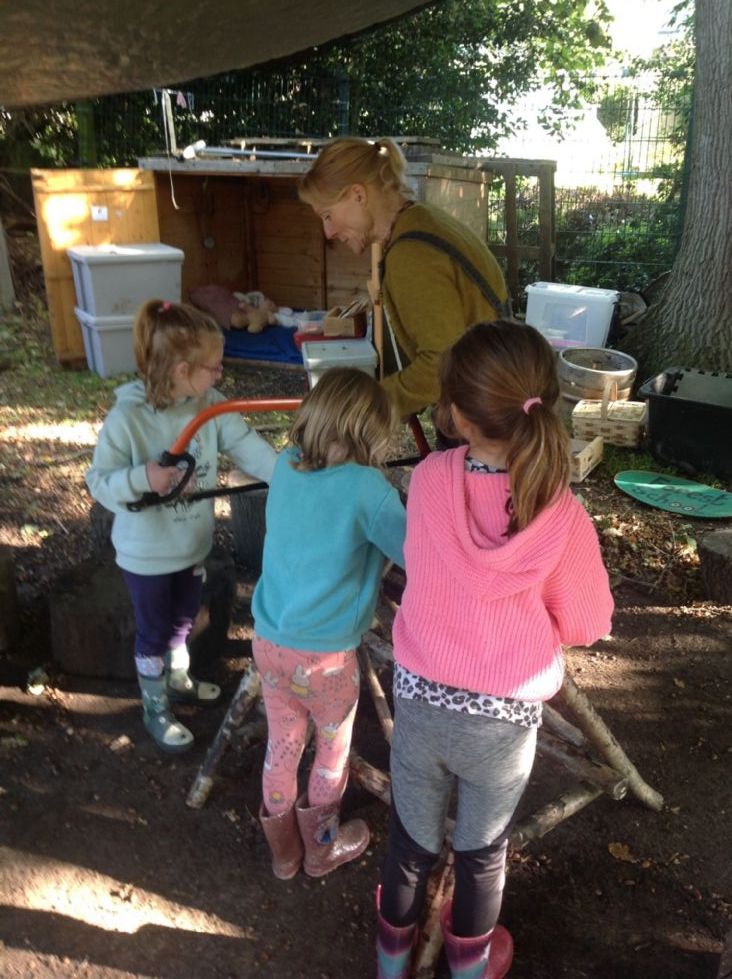
We are incredibly fortunate to have rich natural environments within our school grounds. These outdoor spaces provide valuable opportunities for scientific exploration and support learning across key science topics.
Our locality
We make regular use of our local area, including a community growing space that supports both food production and wildlife. These visits help children to develop a real understanding of the natural world and their place within it.
Working scientifically
Children are given many opportunities to develop the skills needed to work scientifically. This includes asking questions about the world around them and exploring ways to find answers through a range of practical, hands-on scientific methods.
Diversity
Science helps children understand that discovery belongs to everyone. Through studying life in varied habitats and environments, children learn to respect and value difference, in people, living things and the world around them.
Supporting All Children
Science at Hassocks Infant School is for everyone. We plan and adapt our curriculum to ensure every child can participate, succeed and celebrate their achievements. Science learning is multisensory, practical and inclusive — allowing children to access ideas through seeing, touching, doing and talking. We ensure our science curriculum is accessible for all by using visual prompts, tactile resources, and small group support to guide enquiry and reflection. In addition, the use of adapted tools and resources, like giant magnifying glasses, large-grip tweezers or textured objects, can help all children to participate fully.
By valuing each child’s strengths, we nurture confidence, curiosity and independence so all children can explore, respect and flourish as young scientists.
Assessment
We assess science through observation, conversation and exploration. Teachers capture children’s scientific thinking and vocabulary during play and planned activities inside and outside, regularly recording pupil voice to demonstrate knowledge and understanding. Core knowledge is revisited regularly to support retention and to help children make meaningful links in their learning.
As in other subjects, assessment is ongoing and responsive, taking place in the moment and used to inform next steps in teaching and learning. Pupil books document children's progress in enquiry and support their communication when answering ‘big questions’ and when discussing their learning.
Above and Beyond
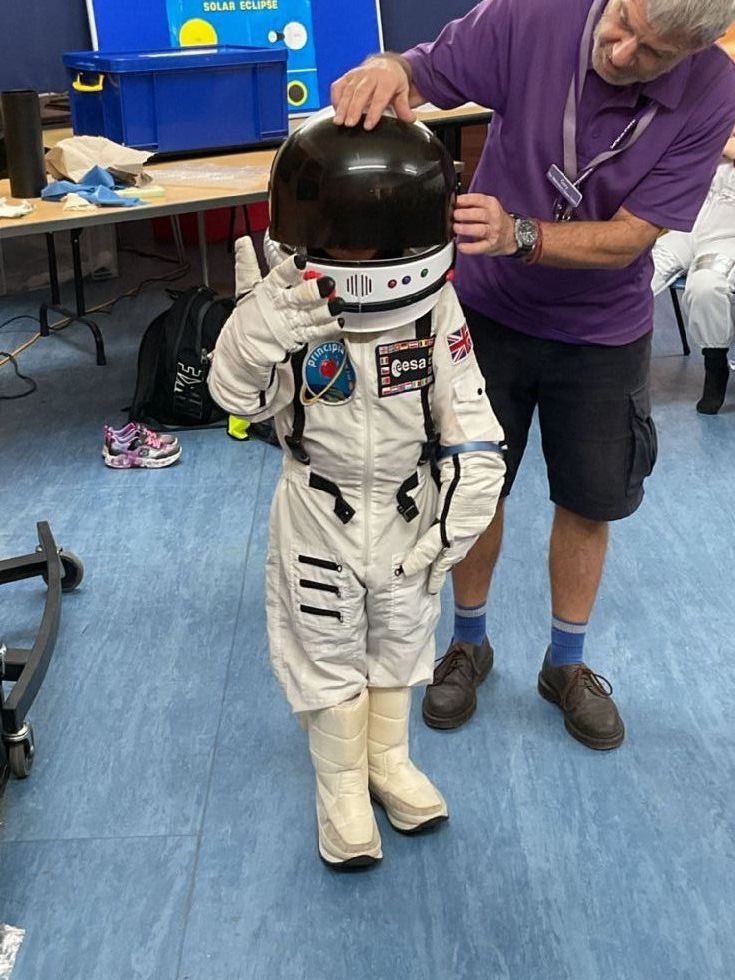
Our science curriculum is enriched through meaningful experiences that connect learning to the wider world. During their time at Hassocks Infant School, every child will take part in a dedicated Science Week that links with national themes, inspiring curiosity, teamwork and a shared sense of discovery across the school community.
Reception enjoy a visit each year from a Wakehurst Place gardener, who shares a range of plants with them. They then grow their own vegetables and flowers in the school allotment area on the field, with opportunities to taste the vegetables they have worked so hard to grow and nurture, such as lettuce and beans.
We also foster a strong partnership with The Hassocks Community Veg Patch, our local growing area, where Year 1 children explore the life cycles of plants and trees, observe seasonal changes, and see the impact of care and responsibility for living things.
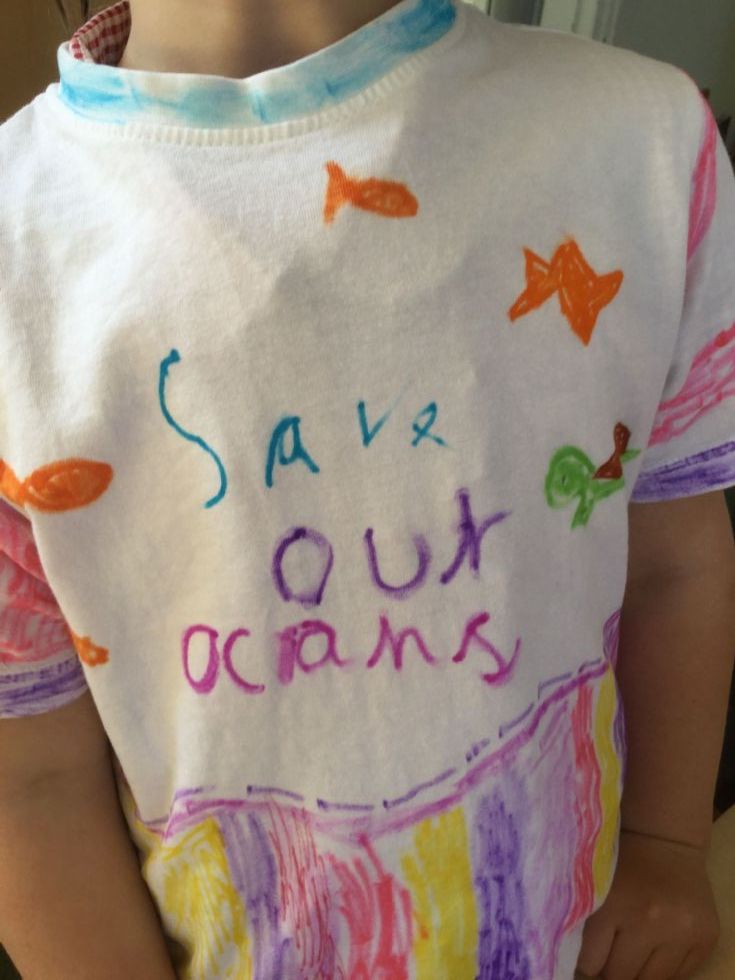
Year 2 take part in a sustainability project focused on raising awareness of reducing plastic in our oceans and exploring how everyone can play a role in protecting our planet.
Forest School sessions for all ensure children extend their scientific learning outdoors, where pupils observe microhabitats, explore natural materials, and observe how the local environment changes across the seasons.
In Reception and Year 1, children have regular opportunities to engage with science equipment through thoughtfully planned activities as well as through continuous provision. This approach ensures that curiosity, observation and investigation are woven into their everyday play, helping them to see science as part of their natural exploration of the world.